Before requesting an aseptic isolator proposal, define the process, materials, transfers, interventions, cleaning needs and evidence required for acceptance. A useful specification explains how the equipment will be used and how the team will determine that it is suitable. Chamber dimensions and a list of components are only part of that specification.
For engineering, QA and procurement, the aim is a proposal that can be reviewed against the same requirements. Unresolved process assumptions tend to reappear as design changes, unclear exclusions or additional qualification work.
Begin with a process walkthrough
Describe the intended operation from preparation to shutdown. List the materials and equipment entering the chamber, the activities performed inside it and the items leaving after use. Include normal work, product changes and expected interruptions.
Specify the intended application without assuming that every aseptic process has identical needs. A sterility-testing activity, a filling operation and a development task may create different handling and integration questions.
Use one representative operating sequence in the initial supplier discussion. Where the future process is uncertain, identify the assumption explicitly and ask what information is needed to resolve it. This is more useful than embedding an untested assumption in a dimensional drawing.
Make transfers visible in the requirements
Material transfer is often where a simple chamber concept becomes a more complex operating system. Describe incoming containers, tools and consumables, and the expected route for finished items and waste.
Ask how the proposed transfer arrangement fits the intended operating sequence. Include bulky items and awkward handling steps rather than reviewing only the easiest representative container.
For an illustrative walkthrough, trace a tool from preparation through entry, use, removal and cleaning. Record each boundary crossing and the associated responsibility. The result is a practical list of questions for the supplier; it is not proof that a particular transfer design is suitable before engineering and quality review.
Specify interventions and operator reach
Write down the tasks operators must perform through the glove ports, including setup, adjustment, sampling and recovery. Ask whether the proposed geometry allows those tasks with the intended tools and containers.
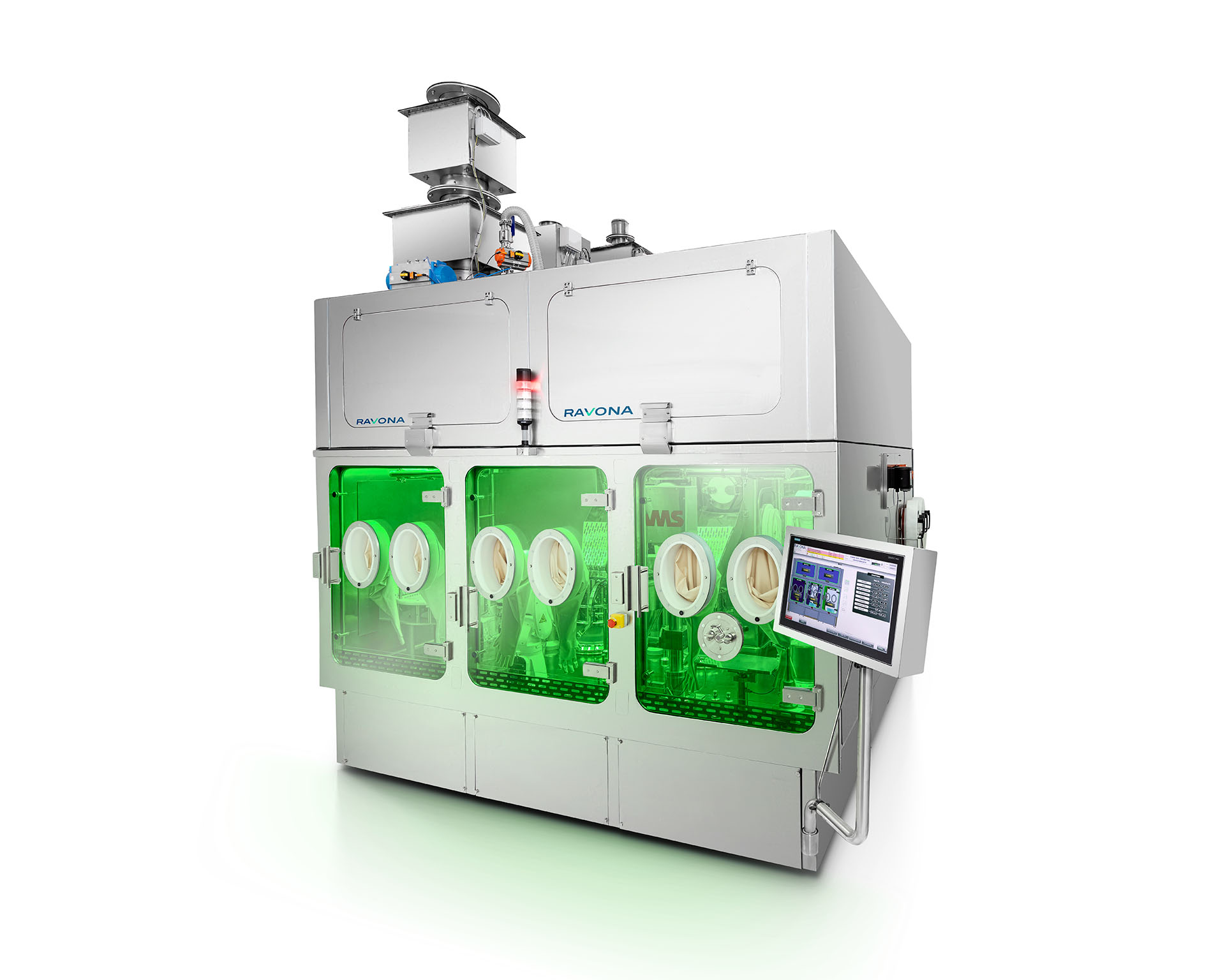
RAVONA’s support page describes a full-size wooden mock-up for ergonomic evaluation. When discussing a project, agree the scope of any mock-up and the tasks that will be assessed. A review should produce decisions and recorded observations, not simply a general impression that the chamber feels comfortable.
Include the people who will operate, clean and maintain the equipment. Their requirements can conflict, and identifying those conflicts before design approval helps the project make deliberate trade-offs.
Define cleaning and bio-decontamination responsibilities
List the surfaces, components and product-contact items that require attention. Identify which items remain installed and which are removed. Ask how the design permits access for the intended procedure and how the supplier proposes to demonstrate that access.
RAVONA lists an H2O2 bio-decontamination system among its aseptic isolator features. The offered configuration, cycle development work and evidence required for the specific application still need to be agreed. A component name alone does not establish the performance of the complete process.
Describe representative loads and any material-compatibility questions early. Keep cleaning, bio-decontamination and sterilization terminology precise so different teams do not approve different interpretations of the same requirement.
Set the scope of instrumentation and integration
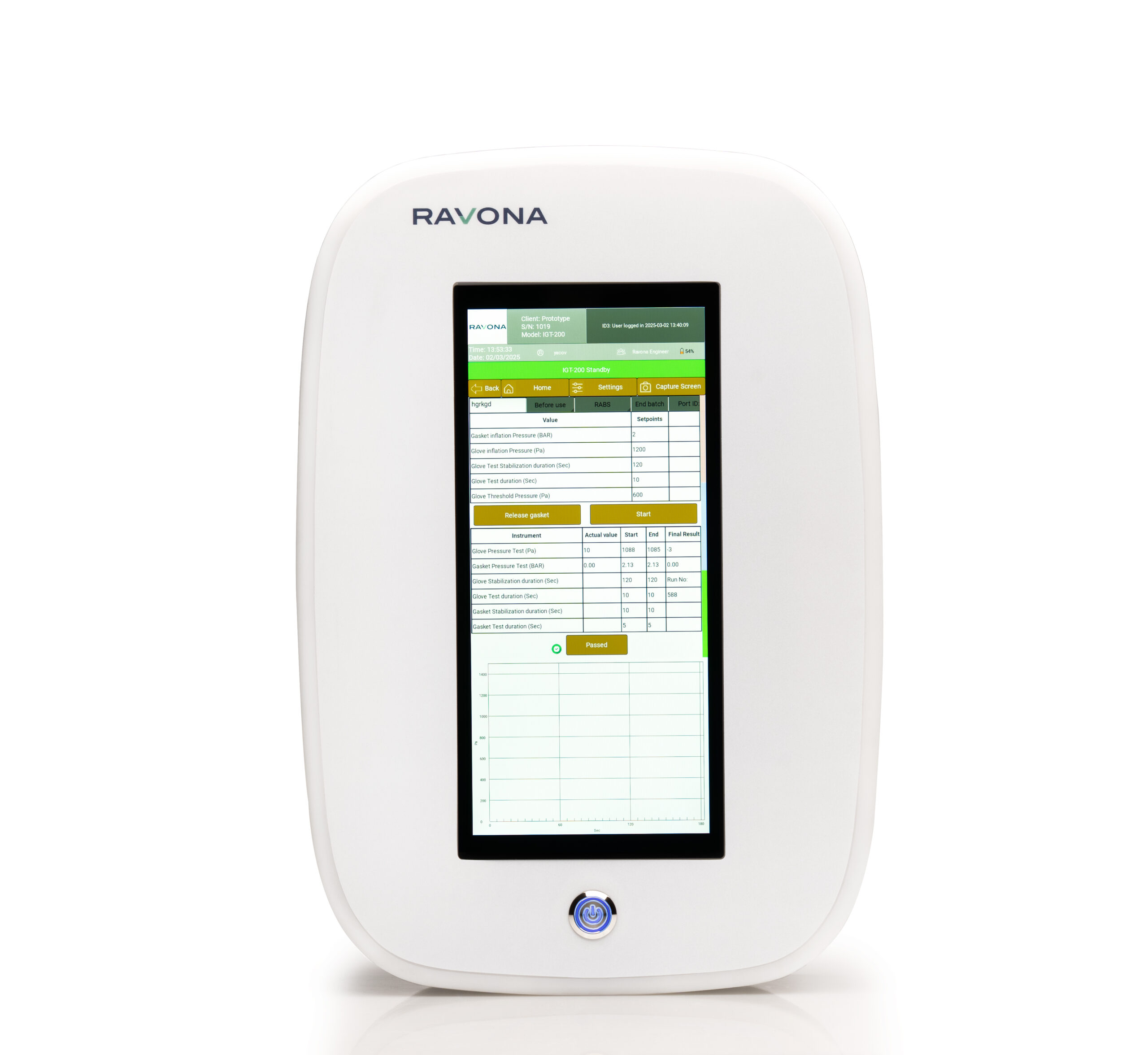
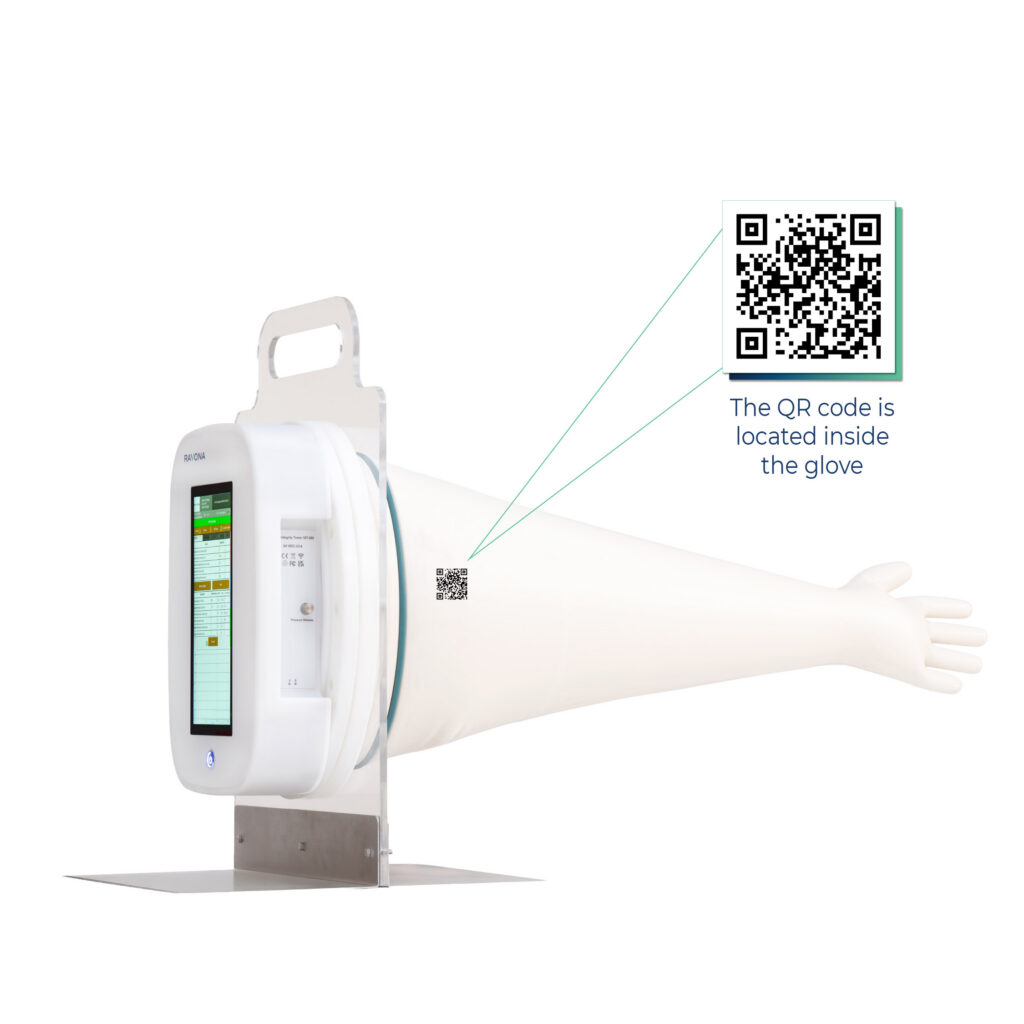
RAVONA’s product page includes monitoring instrumentation and an integrated glove-testing option. Convert relevant capabilities into project requirements: what is measured, where information is displayed, which records are needed and who reviews exceptions.
If a filling machine or other process equipment sits within the isolator, identify the interface owner. Agree who supplies dimensions, utilities, control signals and documentation, and who confirms that the combined arrangement supports the required tasks.
Request an interface list with the proposal. Mark unresolved items and state which decision is needed before design freeze. This gives the project a manageable path from a concept to an agreed scope.
Plan acceptance before manufacture
For each important requirement, ask what evidence will demonstrate completion. Some questions can be resolved by design review; others require an observed activity, a document or a defined site test.
Agree which activities take place at the supplier and which take place after installation. Identify who provides representative materials and who approves the protocols and resulting records.
RAVONA offers engineering and validation services, but the exact deliverables should be defined in the project agreement. Avoid assuming that a phrase such as complete validation covers every facility responsibility, procedure and operating condition.
Frequently asked questions
Should the supplier define the user requirements?
The supplier can help develop a workable specification, but the user organization needs to own its process needs and acceptance decisions.
Is a list of components enough to compare proposals?
No. Compare operating scope, transfer arrangements, interfaces, documentation, exclusions and acceptance evidence as well as hardware.
When should ergonomics be reviewed?
Review representative tasks before committing to the final layout. Confirm the timing and scope of any mock-up with the supplier.
Bring a process brief to RAVONA
RAVONA designs and manufactures custom isolators and works with customers on application requirements. Bring the process walkthrough, material list and unresolved decisions to the first engineering discussion. The objective is an agreed proposal that states what will be supplied, how it will be used and what evidence will support acceptance in your facility.
Discuss your process and isolator requirements with RAVONA’s engineering team.